CemitérioGrave YardDemesne
160 m NNWRO026-035002
Não existe nenhuma fotografia. O terreno visto de cima, nas suas próprias coordenadas.
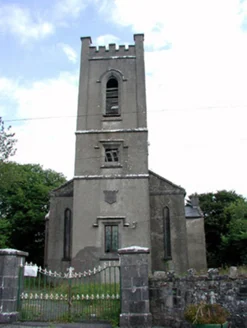
Foi batizado nesta igreja. Está vazia agora.
National Inventory of Architectural Heritage · NIAH survey · © Department of Housing, Local Government and Heritage. Reproduced for educational use with credit. · ark:/99999/c2trn
cada uma com a sua fonte
De onde está, 3 coisas para encontrar
Construída em 1819 segundo um desenho padrão do Board of First Fruits — o modelo usado por toda a Irlanda nas igrejas paroquiais da Igreja da Irlanda da época.
O inventário regista o seu estado atual numa palavra: devoluta.
A paróquia é mais antiga do que o edifício. Logainm dá o seu nome como Cill Chaoimhín, a igreja de Caoimhín, e em 1938 três alunos de Castlerea escreveram o que lhes tinham contado sobre essa igreja.
National Folklore Collection, University College DublinNational Folklore Collection, University College DublinNational Folklore Collection, University College Dublin
Seán Cribbin, da escola Hanly Memorial, escreveu: St. Caoimhin is our local patron Saint. The Saint during his life time was remarkable for his holiness and he worked many miracles and built a fine church the ruins of which may be seen in Kilkeevin Graveyard.
a citação, na sua línguaSão Caoimhin é o nosso padroeiro local. Em vida, o Santo distinguiu-se pela sua santidade, fez muitos milagres e construiu uma bela igreja, cujas ruínas se podem ver no cemitério de Kilkeevin.
National Folklore Collection, University College Dublin
Duas fontes contradizem-se
Seán Cribbin, 1938: São Caoimhín construiu ele próprio a igreja, e as suas ruínas estão no cemitério de Kilkeevin.
National Folklore Collection, University College Dublin · verificado 2026-08-06Esther Cooke, 1938: It is said that St. Patrick built a church in Kilkeevin and that he left a monk named Kevin in charge of the church and that is how it got it's name.
a citação, na sua línguaDiz-se que São Patrício construiu uma igreja em Kilkeevin e que deixou à frente dela um monge chamado Kevin, e que foi daí que lhe veio o nome.
Dois relatos escritos na mesma vila no mesmo ano letivo, ambos testemunho e não registo. Publicamos os dois e não decidimos nenhum: o que a um lugar foi contado sobre si próprio é o que aqui se recolhe.
Frank Kelly, de Caher, escreveu que a capela foi destruída pelos cromwellianos, que estivera primeiro na margem leste do Suck e foi reconstruída na margem oeste. Acrescentou que ninguém então vivo, por mais velho que fosse, se lembrava de aí se dizer missa.
The Holy Trinity Church, built to a standard Board of First Fruits design, is of social and historical value through its association with the first president of Ireland Douglas Hyde, who was baptised in this church.a citação, na sua línguaA igreja Holy Trinity, construída segundo um projeto-tipo do Board of First Fruits (organismo da Igreja da Irlanda que financiava a construção de igrejas), tem valor social e histórico pela sua ligação ao primeiro Presidente da Irlanda, Douglas Hyde, que foi batizado nesta igreja.Desenhado a partir do OpenStreetMap, ODbL · posições dos monumentos do SMR · Dois dedos movem o mapa; um dedo desloca a página.
24 de 140
Não existe nenhuma fotografia. O terreno visto de cima, nas suas próprias coordenadas.
Não existe nenhuma fotografia. O terreno visto de cima, nas suas próprias coordenadas.
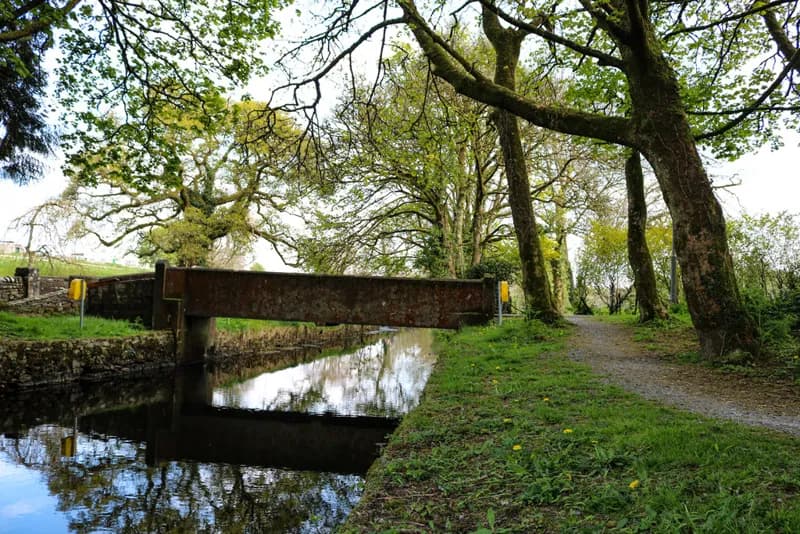
Marie McAleer · 2020 · CC BY-SA 2.0
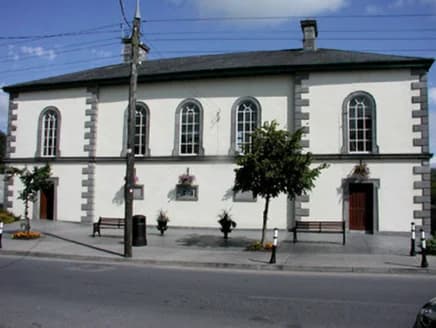
National Inventory of Architectural Heritage · NIAH survey · © Department of Housing, Local Government and Heritage. Reproduced for educational use with credit.
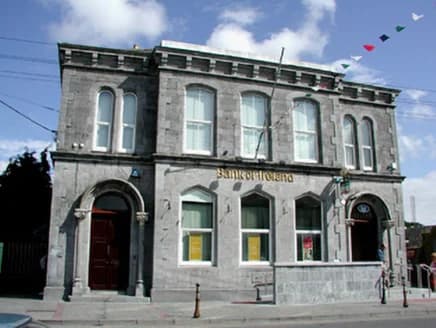
National Inventory of Architectural Heritage · NIAH survey · © Department of Housing, Local Government and Heritage. Reproduced for educational use with credit.
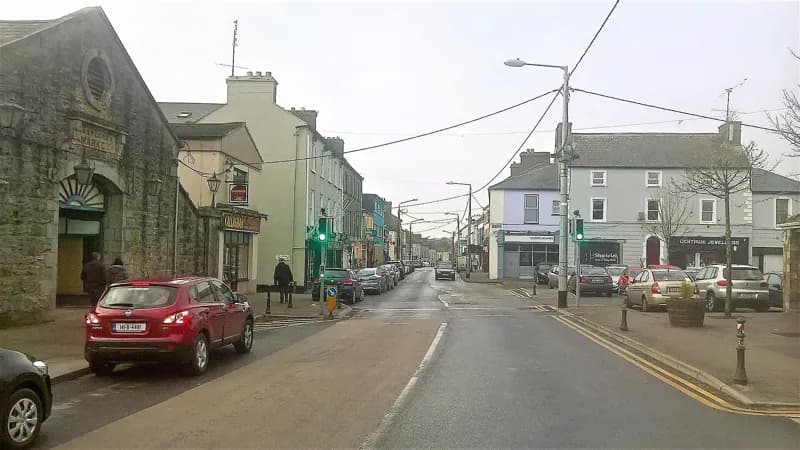
Darren J. Prior · 2018 · CC BY-SA 4.0
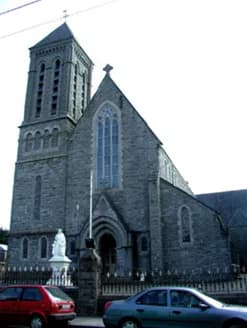
National Inventory of Architectural Heritage · NIAH survey · © Department of Housing, Local Government and Heritage. Reproduced for educational use with credit.
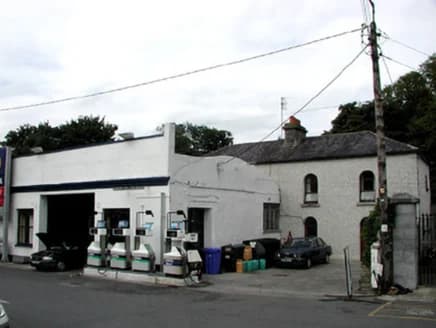
National Inventory of Architectural Heritage · NIAH survey · © Department of Housing, Local Government and Heritage. Reproduced for educational use with credit.
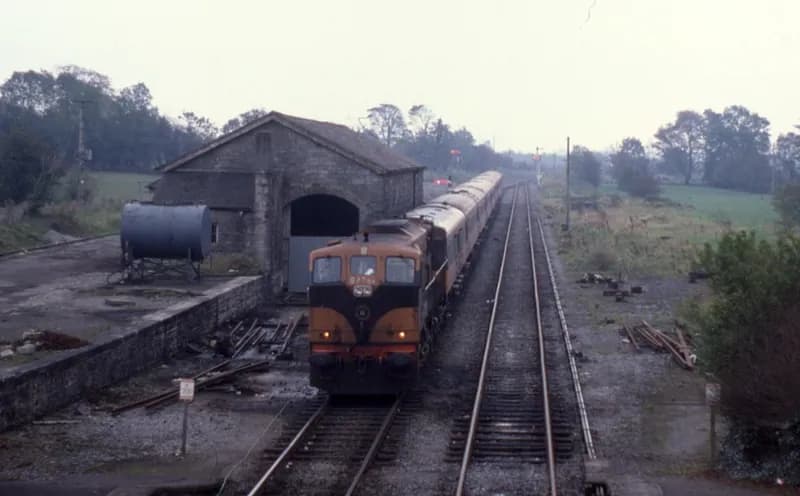
Phil Richards · 1985 · CC BY-SA 2.0
Não existe nenhuma fotografia. O terreno visto de cima, nas suas próprias coordenadas.
Não existe nenhuma fotografia. O terreno visto de cima, nas suas próprias coordenadas.
Não existe nenhuma fotografia. O terreno visto de cima, nas suas próprias coordenadas.
Não existe nenhuma fotografia. O terreno visto de cima, nas suas próprias coordenadas.
Não existe nenhuma fotografia. O terreno visto de cima, nas suas próprias coordenadas.
Não existe nenhuma fotografia. O terreno visto de cima, nas suas próprias coordenadas.
Não existe nenhuma fotografia. O terreno visto de cima, nas suas próprias coordenadas.
Não existe nenhuma fotografia. O terreno visto de cima, nas suas próprias coordenadas.
Não existe nenhuma fotografia. O terreno visto de cima, nas suas próprias coordenadas.
Não existe nenhuma fotografia. O terreno visto de cima, nas suas próprias coordenadas.
Não existe nenhuma fotografia. O terreno visto de cima, nas suas próprias coordenadas.
Não existe nenhuma fotografia. O terreno visto de cima, nas suas próprias coordenadas.
Não existe nenhuma fotografia. O terreno visto de cima, nas suas próprias coordenadas.
Não existe nenhuma fotografia. O terreno visto de cima, nas suas próprias coordenadas.
Não existe nenhuma fotografia. O terreno visto de cima, nas suas próprias coordenadas.