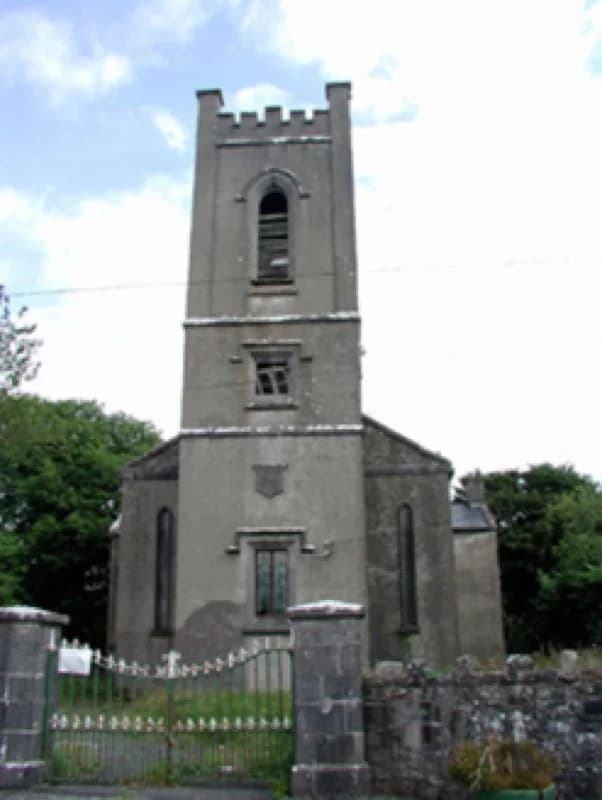
LuoghiTrinity Church (Kilkeevin)
0 m N
National Inventory of Architectural Heritage · NIAH survey · © Department of Housing, Local Government and Heritage. Reproduced for educational use with credit.
Questa pagina è tradotta automaticamente e non è stata rivista. Le citazioni restano nella lingua originale.
Leggi in inglese
Fu battezzato in questa chiesa. Ora è vuota.
National Inventory of Architectural Heritage · NIAH survey · © Department of Housing, Local Government and Heritage. Reproduced for educational use with credit. · ark:/99999/c2trn
ciascuna con la sua fonte
Da dove vi trovate, 3 cose da trovare
Costruita nel 1819 su progetto standard del Board of First Fruits — il modello usato in tutta l'Irlanda per le chiese parrocchiali della Church of Ireland del periodo.
L'inventario registra il suo stato attuale in una parola: vuota.
La parrocchia è più antica dell'edificio. Logainm ne dà il nome come Cill Chaoimhín, la chiesa di Caoimhín, e nel 1938 tre scolari di Castlerea misero per iscritto quanto era stato loro raccontato di quella chiesa.
National Folklore Collection, University College DublinNational Folklore Collection, University College DublinNational Folklore Collection, University College Dublin
Seán Cribbin, della scuola Hanly Memorial, scrisse: St. Caoimhin is our local patron Saint. The Saint during his life time was remarkable for his holiness and he worked many miracles and built a fine church the ruins of which may be seen in Kilkeevin Graveyard.
National Folklore Collection, University College Dublin
Due fonti si contraddicono
Seán Cribbin, 1938: san Caoimhín costruì egli stesso la chiesa, e le sue rovine sono nel cimitero di Kilkeevin.
National Folklore Collection, University College Dublin · verificato 2026-08-06Esther Cooke, 1938: It is said that St. Patrick built a church in Kilkeevin and that he left a monk named Kevin in charge of the church and that is how it got it's name.
Due racconti scritti nella stessa cittadina nello stesso anno scolastico, entrambi testimonianza e non documento. Li pubblichiamo entrambi e non ne risolviamo nessuno: ciò che a un luogo è stato raccontato di sé è quanto qui si raccoglie.
Frank Kelly, di Caher, scrisse che la cappella fu distrutta dai cromwelliani, che dapprima sorgeva sulla riva est del Suck e fu ricostruita sulla riva ovest. Aggiunse che nessuno allora vivente, per quanto anziano, ricordava che vi si celebrasse messa.
Il registro · ark:/99999/c2trn
The Holy Trinity Church, built to a standard Board of First Fruits design, is of social and historical value through its association with the first president of Ireland Douglas Hyde, who was baptised in this church.Trascina per spostare · due dita sul telefono
National Inventory of Architectural Heritage · NIAH survey · © Department of Housing, Local Government and Heritage. Reproduced for educational use with credit.
Non ne esiste alcuna fotografia. Il terreno dall'alto, alle sue coordinate.
Non ne esiste alcuna fotografia. Il terreno dall'alto, alle sue coordinate.
National Inventory of Architectural Heritage · NIAH survey · © Department of Housing, Local Government and Heritage. Reproduced for educational use with credit.
National Inventory of Architectural Heritage · NIAH survey · © Department of Housing, Local Government and Heritage. Reproduced for educational use with credit.
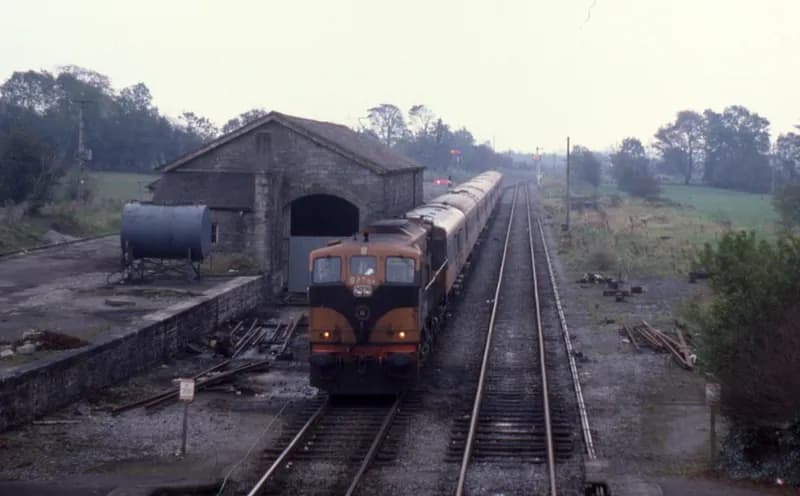
Phil Richards · 1985 · CC BY-SA 2.0
Non ne esiste alcuna fotografia. Il terreno dall'alto, alle sue coordinate.
Non ne esiste alcuna fotografia. Il terreno dall'alto, alle sue coordinate.
Non ne esiste alcuna fotografia. Il terreno dall'alto, alle sue coordinate.
Non ne esiste alcuna fotografia. Il terreno dall'alto, alle sue coordinate.
Non ne esiste alcuna fotografia. Il terreno dall'alto, alle sue coordinate.
Non ne esiste alcuna fotografia. Il terreno dall'alto, alle sue coordinate.
Non ne esiste alcuna fotografia. Il terreno dall'alto, alle sue coordinate.
Non ne esiste alcuna fotografia. Il terreno dall'alto, alle sue coordinate.
Non ne esiste alcuna fotografia. Il terreno dall'alto, alle sue coordinate.
Non ne esiste alcuna fotografia. Il terreno dall'alto, alle sue coordinate.
Non ne esiste alcuna fotografia. Il terreno dall'alto, alle sue coordinate.
Non ne esiste alcuna fotografia. Il terreno dall'alto, alle sue coordinate.
Non ne esiste alcuna fotografia. Il terreno dall'alto, alle sue coordinate.
Non ne esiste alcuna fotografia. Il terreno dall'alto, alle sue coordinate.
Non ne esiste alcuna fotografia. Il terreno dall'alto, alle sue coordinate.
Non ne esiste alcuna fotografia. Il terreno dall'alto, alle sue coordinate.
Non ne esiste alcuna fotografia. Il terreno dall'alto, alle sue coordinate.
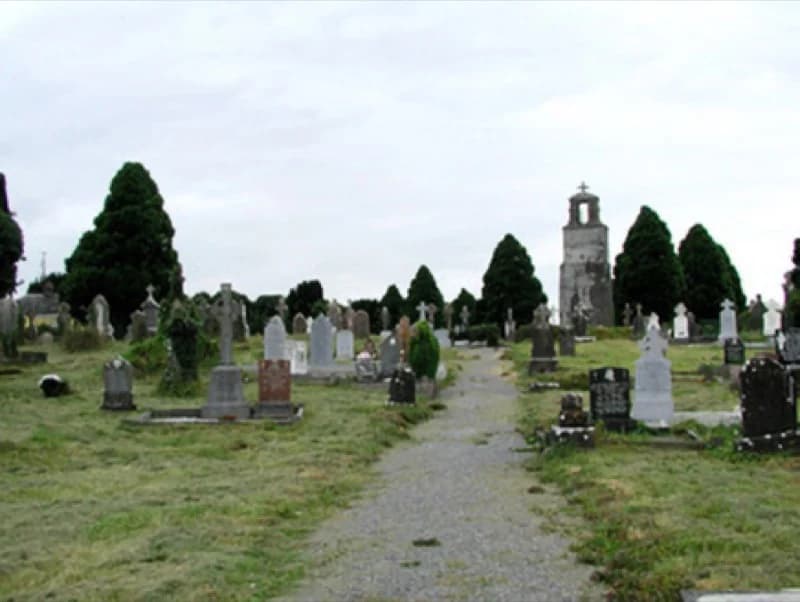
National Inventory of Architectural Heritage · NIAH survey · © Department of Housing, Local Government and Heritage. Reproduced for educational use with credit.
Parte di un filo
Tutti i fili